%20(2).png)
The Body-First Paradigm: How Parkinson's Begins in the Gut
For decades, the narrative of a complex neurodegenerative condition has centred squarely on the brain, portraying it as a relentless disorder primarily affecting motor function. But what if this deeply ingrained understanding was only part of the story? What if, for a significant number of individuals, the earliest indicators of some neurological conditions weren't written in the brain at all, but in the often-overlooked ecosystem of the gut, years or even decades before a single tremor becomes visible? This revolutionary "body-first" paradigm is reshaping how we understand certain neurodegenerative processes and opening the door to earlier insights and proactive strategies for neurological health support.
At Gutgutgoose, we are committed to empowering you with personalised insights and custom probiotic solutions that help maintain healthy digestive system function, supporting your overall well-being.
Understanding Neurodegenerative Conditions as a Body-First Process
This complex neurodegenerative disorder is the second most common globally, affecting over 10 million people worldwide [1]. Traditionally characterised by motor symptoms such as tremors, rigidity, and bradykinesia, we now recognise that the disease process often initiates far from the brain's substantia nigra, the region typically associated with this pathology. Learn more about transplanting the PD dysbiome into wild-type mice.
Consider, for instance, a compelling Harvard study published in September 2024. It revealed a striking statistic: individuals with damage to the upper gastrointestinal tract faced a 76% higher risk of developing this condition [2]. This isn't mere coincidence; damage from common issues like Helicobacter pylori infection, gastroesophageal reflux disease (GERD), or even sustained non-steroidal anti-inflammatory drug (NSAID) use could, for some, be an early prelude to a disease process that ultimately reaches the brain. Understanding how this pathology progresses from the gut requires examining the theoretical frameworks that map its journey.
The Braak Hypothesis: Mapping Disease Progression from Gut to Brain
The Braak hypothesis, proposed by neuroanatomist Heiko Braak, provides a compelling framework for understanding how neurodegenerative conditions may start in the body. This hypothesis suggests that pathological alpha-synuclein (the misfolded protein that aggregates into Lewy bodies, the hallmark of this pathology) first appears in the enteric nervous system (ENS) before spreading to the brain [3].
According to this model, the condition progresses through six stages:
- Stage 1: Alpha-synuclein pathology begins in the dorsal motor nucleus of the vagus nerve and olfactory bulb.
- Stage 2: Spreads to the locus coeruleus and lower brainstem.
- Stage 3: Lewy bodies appear in the substantia nigra, marking the onset of motor symptoms.
- Stages 4–6: Progressive involvement of cortical regions.
What makes this hypothesis particularly significant is its emphasis on retrograde axonal vagus transport, the mechanism by which misfolded alpha-synuclein travels from the gut to the brain along the vagus nerve [4]. This critical neural pathway is the primary route for this pathological transmission.
The Vagus Nerve: A Highway for Transmission
The vagus nerve is a critical communication pathway in the gut-brain axis, and research increasingly implicates it in the pathogenesis of certain neurodegenerative conditions. Studies tracking the spread of misfolded alpha-synuclein in mice have demonstrated that this pathological protein travels via the vagus nerve to the brain, leading to neuron death and symptoms consistent with neurodegeneration [5].
Compelling evidence for this gut-to-brain journey comes from epidemiological studies on truncal vagotomy, a surgical procedure that severs the vagus nerve. Intriguingly, individuals who underwent a complete truncal vagotomy exhibited a significantly reduced risk of developing this condition [6]. This suggests that by interrupting this "highway," the pathway for the spread of this pathology from the gut's enteric nervous system to the central nervous system was potentially influenced, a powerful demonstration of the gut's primacy. With this understanding of the transmission route established, we can now examine what early signs might appear in the gut itself.
Gastrointestinal Symptoms: Earliest Indicators
One of the most striking aspects of the body-first paradigm is the temporal relationship between gastrointestinal and motor symptoms. Gastrointestinal dysfunctions affect up to 70% of individuals experiencing specific neurodegenerative conditions and frequently precede movement symptoms by years, sometimes even decades [7]. For instance, chronic constipation has been observed to appear 10–20 years before motor symptoms [17].
Common pre-motor gastrointestinal symptoms include:
- Constipation: Often appearing 10–20 years before motor symptoms.
- Delayed gastric emptying: Leading to early satiety and nausea.
- Difficulty swallowing: Affecting oesophageal motility.
- Excessive salivation: Due to impaired swallowing reflexes.
A Harvard study, published in September 2024, analysed data from 2,338 patients with mucosal damage and 8,955 without, revealing that 2.2% of those with gastrointestinal damage were later diagnosed with this condition, compared to only 0.5% without damage [8]. These findings suggest that gastrointestinal symptoms may actually be prodromal markers of the neurodegenerative process itself, rather than simple complications. Beyond these symptoms, the underlying bacterial composition of the gut plays an equally important role.
Intestinal Dysbiosis: The Microbiome Connection
The gut microbiome, the trillions of bacteria residing in our digestive tract, plays a central role in the body-first model of certain neurodegenerative conditions. Research indicates that gut bacteria profiles in individuals with specific neurodegenerative conditions differ significantly from those without, with beneficial bacteria often being reduced [9]. Learn more about mitochondrial fragmentation and brain innate immunity.
Intestinal dysbiosis, an imbalance in gut microbial composition, often occurs years before clinical diagnosis [10]. This dysbiosis may drive several disease-promoting mechanisms:
- Increased intestinal permeability: Allowing bacterial components and inflammatory molecules to enter circulation.
- Chronic low-grade inflammation: Triggering immune responses that may affect neuronal health.
- Altered production of neurotransmitters and metabolites: Affecting brain function through the gut-brain axis.
- Misfolding of alpha-synuclein: Potentially initiated by bacterial proteins or toxins.
Recent research suggests that abnormal alpha-synuclein may first develop in enteroendocrine cells (EECs) in the gut before spreading to the nervous system [11]. This finding provides a mechanistic link between gut dysbiosis and the initiation of this neurodegenerative pathology. Machine learning models have shown an average AUC of 71.9% in classifying individuals with specific neurodegenerative conditions based on their microbiome profiles [18], indicating the diagnostic potential of gut microbiome analysis. This microbial imbalance also interacts closely with the immune system, which adds another layer to disease progression.
The Role of Intestinal Macrophages and Immune Dysfunction
Emerging research has identified intestinal macrophages as key players in synucleinopathy modulation along the gut-brain axis. A groundbreaking study published in Nature in 2025 demonstrated that muscularis macrophages (ME-Macs) contain misfolded alpha-synuclein and influence T cell expansion, which is linked to neurodegeneration and motor dysfunction associated with certain conditions [12].
research published in August 2023 from Columbia University suggests that an autoimmune reaction to alpha-synuclein could damage gut neurons, with early gastrointestinal changes potentially preceding neurological symptoms [13]. This immune-mediated mechanism may explain why certain individuals develop specific neurodegenerative conditions while others do not, despite similar environmental exposures. The immune system's interaction with misfolded proteins leads us to another critical aspect: how these proteins spread throughout the body.
Prion-Like Transmission: A New Understanding of Spread
The concept of prion-like transmission has revolutionised our understanding of how certain neurodegenerative conditions progress from the gut to the brain. Alpha-synuclein exhibits properties similar to prions: misfolded proteins that can template the misfolding of normal proteins, creating a self-propagating cascade [14].
Evidence for prion-like mechanisms includes:
- Cell-to-cell transmission: Misfolded alpha-synuclein can transfer between neurons.
- Seeding capability: Small amounts of pathological protein can induce aggregation of normal alpha-synuclein.
- Anatomical spreading patterns: Consistent with trans-synaptic propagation along neural pathways.
This prion-like behaviour explains how alpha-synuclein pathology, once initiated in the enteric nervous system, can spread progressively to the brain over many years, eventually causing the characteristic motor symptoms of specific neurodegenerative conditions. Understanding these mechanisms shows the importance of monitoring gut health before symptoms appear.
The Gut Microbiome Test: A Window into Gut Health
Understanding the body-first paradigm of certain neurodegenerative conditions shows the critical importance of monitoring gut health. A comprehensive gut microbiome test can provide valuable insights into the bacterial composition of your digestive tract, revealing potential dysbiosis that may be associated with various health concerns.
At Gutgutgoose, we provide a comprehensive understanding of your gut ecosystem. Our advanced analysis of over 300 bacterial strains, powered by AI, translates into three key benefits for your well-being:
- Precise Insights: Gain a detailed profile of your unique gut microbiome, revealing specific patterns for personalised support.
- Customised Solutions: Receive a probiotic formula specifically matched to your gut, engineered for optimal function.
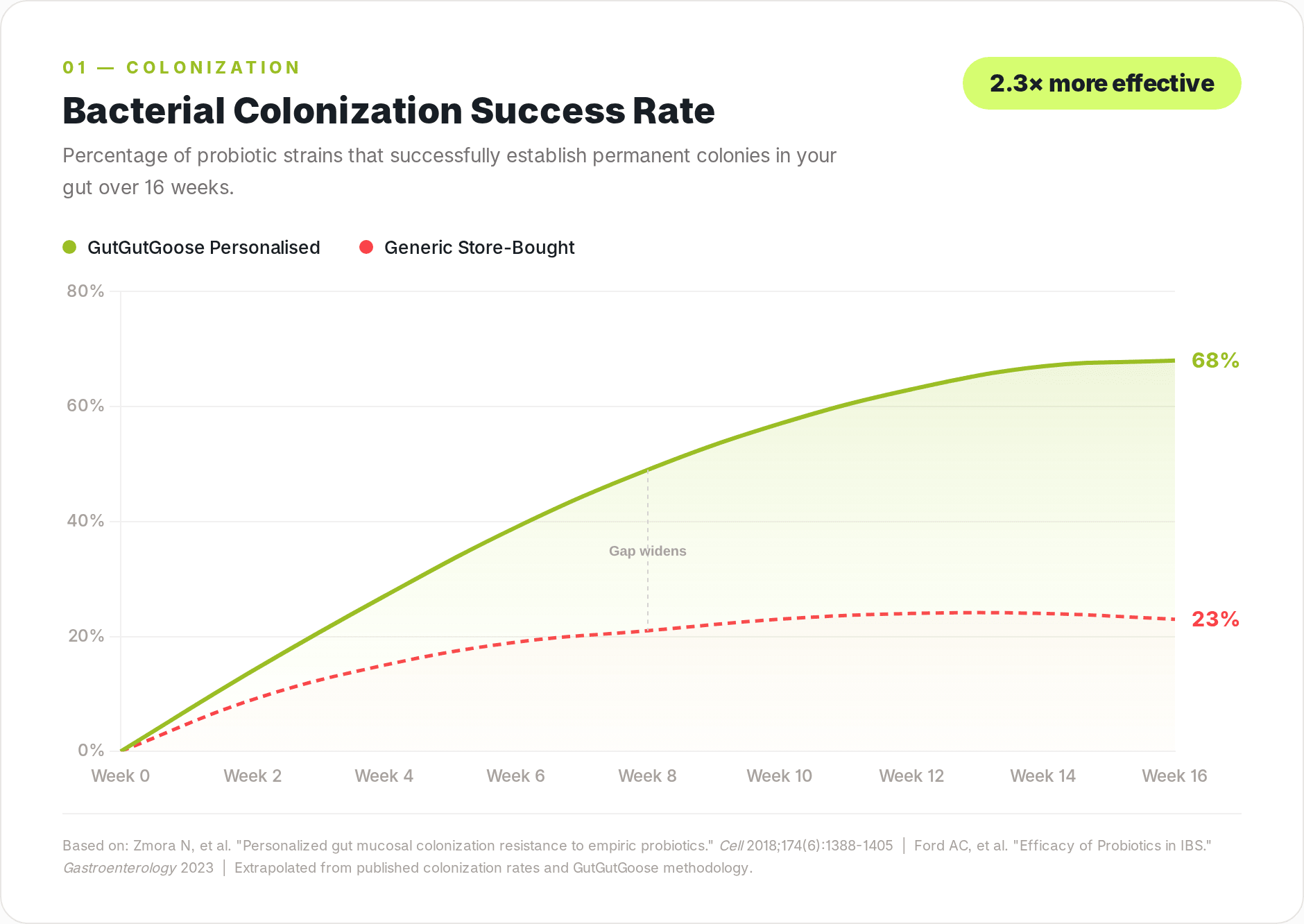
- Proven Efficacy: Our DNA verification ensures the beneficial strains are establishing in your gut, not just passing through.
Our personalised approach helps maintain healthy digestive system function by addressing individual needs. To explore how our advanced testing can benefit you, discover more about our gut health testing services.
Implications for Early Insights and Research Pathways
The body-first model of certain neurodegenerative conditions offers unprecedented opportunities for early insights and research into potential interventions. By identifying gastrointestinal symptoms and imbalances in the gut microbiome potentially years before motor symptoms appear, current research aims to develop strategies that could support overall neurological health. This scientific exploration focuses on potential avenues for future supportive strategies.
Dr. Trisha Pasricha, a gastroenterologist at Harvard Medical School, emphasised in December 2024 that "the gut may be where Parkinson's starts, which could revolutionise understanding and treatment of the disease" [15]. The key lies in finding early biomarkers in the gut to enable intervention before neurological symptoms manifest.
Research into proactive health management strategies includes:
- Targeted microbiome modulation strategies.
- Anti-inflammatory interventions for gut health.
- Methods for intestinal barrier restoration.
- Exploration of early alpha-synuclein targeting mechanisms.
With this research progressing, personalised approaches to gut health restoration are becoming increasingly viable and scientifically grounded.
The Promise of Personalised Probiotics for Gut Health
Given the increasing recognition of gut dysbiosis in various health contexts, restoring healthy microbial balance is a promising strategy for supporting overall well-being. However, generic probiotic supplements may not provide the targeted support needed to address individual microbiome imbalances.
Gutgutgoose offers customised probiotic formulations based on comprehensive gut health test kit results. Our pharmaceutical-grade probiotics are compounded at TGA-licensed facilities in Queensland, ensuring the highest quality standards. We provide quarterly DNA verification to prove colonisation, demonstrating that the beneficial strains we deliver are actually establishing in your gut, not simply passing through, for improved gut function. This personalised approach helps maintain healthy digestive system function more effectively than a one-size-fits-all solution.
Our approach is grounded in advanced science. We utilise hybrid mechanistic-AI frameworks to understand how specific bacterial strains interact with your unique gut ecosystem and overall health. This data-driven approach ensures that you receive precisely the strains your gut microbiome needs for optimal function. When considering gut health solutions, it's helpful to compare different approaches.
Comparing Approaches to Gut Health
| Option | Best For | Pros | Cons | Notes |
|---|---|---|---|---|
| Gutgutgoose Personalised Probiotics & Testing | Individuals seeking data-driven, tailored gut health support and ongoing monitoring. | Comprehensive analysis of 300+ bacterial strains; AI-powered insights; custom-compounded probiotics; DNA verification of colonisation; TGA-licensed facilities; helps maintain healthy digestive system function. | Higher initial investment compared to generic options; requires commitment to testing and subscription. | Focuses on understanding individual gut ecosystems and providing specific strains for optimal function, not disease treatment. Offers a 180-day money-back guarantee on colonisation. |
| Generic Probiotic Supplements | General gut health support; individuals new to probiotics or on a budget. | Widely available; cost-effective; convenience; may offer general digestive benefits. | "One-size-fits-all" approach; may not contain specific strains needed by an individual; quality and viability can vary; lack of personalised insights. | Often contain common strains like Lactobacillus and Bifidobacterium; effectiveness is highly individual and not guaranteed for specific issues. |
| Dietary & Lifestyle Changes | Anyone looking for foundational, holistic gut health improvement. | Natural, sustainable approach; broad health benefits beyond the gut; no specific product purchase needed; helps maintain healthy digestive system function. | Can be slow to show results; requires consistent effort and adherence; may not fully address severe dysbiosis alone; lack of objective microbiome data. | Emphasizes whole foods, fibre, prebiotics, fermented foods, hydration, stress management, and regular exercise. Forms the cornerstone of any healthy gut regimen. |
Choose Your Gut Health Path:
- Choose Gutgutgoose if… you desire a precise, scientifically-backed understanding of your unique gut microbiome and want personalised probiotic formulations with proven colonisation that helps maintain healthy digestive system function for optimal gut health.
- Choose Generic Probiotic Supplements if… you are looking for an accessible and affordable option for general digestive support, but understand results may vary and are not tailored to your specific microbiome.
- Choose Dietary & Lifestyle Changes if… you prefer a holistic, foundational approach to gut health and overall well-being, recognising that dietary habits and lifestyle are central and essential for optimal results, regardless of other interventions or supplements.
Regardless of which approach you choose, remember that diet plays a central role in supporting gut health. Taking proactive steps, especially in maintaining a balanced, whole-food diet, alongside any probiotic or supplement regimen is increasingly recognised as essential for long-term wellness.
Moving Forward: A New Era in Research
The body-first paradigm is a fundamental shift in how we understand certain neurodegenerative conditions. Rather than viewing these as solely brain disorders, we now recognise them as systemic conditions with potential roots in the gut. This perspective opens new frontiers in research, focusing on:
- Longitudinal gut microbiome studies: Tracking changes over time in individuals at risk for certain neurodegenerative conditions.
- Biomarker development: Identifying specific gut-based indicators of early processes.
- Mechanistic research: Understanding how gut dysbiosis triggers alpha-synuclein misfolding.
- Supportive interventions: Developing gut-targeted treatments to potentially influence health trajectories.
Research funded by the Michael J. Fox Foundation is investigating how alpha-synuclein spreads from the gut to the brain via specific vagus nerve cells, with factors like gender and menopause potentially influencing this process [16]. These findings could improve understanding and future supportive strategies, including non-invasive approaches to influence health outcomes. This evolving research field reinforces the importance of acting now to protect your gut health.
Taking Control of Your Gut Health Today
The evidence is clear: your gut health today may influence your neurological health tomorrow. While the exact mechanisms for influencing the trajectory of certain neurodegenerative conditions are still under intense investigation, taking proactive steps to optimise gut function and promote a balanced microbiome is a recognised strategy for supporting overall health and well-being, which may indirectly influence neurological resilience. This can include interventions that help maintain healthy digestive system function.
Consider these actionable steps:
- Undergo comprehensive gut testing: A gut health test kit provides the data needed to understand your current microbiome status.
- Address gastrointestinal symptoms promptly: Don't dismiss chronic digestive issues as merely inconvenient.
- Support beneficial bacteria: Through diet, lifestyle, and targeted supplementation.
- Monitor changes over time: Regular retesting allows you to track improvements and adjust interventions.
At Gutgutgoose, we're dedicated to a proactive approach to health, focusing on understanding and supporting gut vitality. Our vision involves using advanced analytics to provide insights that may signal potential health concerns and guide personalised support. Our AGORA2 + AutoML models analyse your gut as part of a hybrid mechanistic AI framework, utilising longitudinal data from subscription retesting to identify subtle changes that may signal emerging health concerns.
We believe in showing you the data, not making empty promises. Our 180-day money-back guarantee demonstrates our confidence: if the strains we provide don't establish in your gut (verified through DNA analysis), you receive a full refund. This commitment to verifying colonisation ensures you're investing in probiotics that actually work to help maintain healthy digestive system function.
Conclusion: The Gut-Brain Axis and Future Hope
The body-first paradigm of certain neurodegenerative conditions represents one of the most significant advances in our understanding of these complex states. By recognising that intestinal dysbiosis and gastrointestinal pathology often precede motor symptoms by years or even decades, we gain a critical window for research and potential future interventions.
The Braak hypothesis, vagotomy studies, prion-like transmission mechanisms, and emerging research on intestinal immune function all converge on a single, powerful insight: the gut may be where the disease process originates, not just a system affected by it. This knowledge reinforces the importance of actively managing gut health as a foundational element of overall well-being, which may play a role in supporting long-term neurological health.
If you're interested in taking control of your gut health through personalised probiotics Australia residents can trust, Gutgutgoose offers the most advanced, scientifically grounded approach available. Our at-home gut microbiome test provides comprehensive analysis of your unique bacterial ecosystem, and our customised probiotic formulations deliver the specific strains your body needs to help maintain healthy digestive system function.
The journey to optimal health begins in the gut. Understanding the deep connection between your digestive system and your brain is the first step toward a healthier future.
For more information about how our services can support your gut health journey, or to contact our team with questions about personalised probiotics, visit our Gutgutgoose website today.
Frequently Asked Questions (FAQ)
Q: What is the "body-first" paradigm of Parkinson's disease?
A: It's a newer understanding suggesting that certain neurodegenerative conditions may initiate in the gut, often years before brain-related motor symptoms appear, challenging traditional views.
Q: How does the Braak hypothesis explain Parkinson's progression?
A: The Braak hypothesis proposes that misfolded alpha-synuclein protein, associated with conditions like Parkinson's, begins in the gut's enteric nervous system and then systematically spreads to the brain via the vagus nerve.
Q: What are common early gut symptoms linked to Parkinson's?
A: Gastrointestinal issues like chronic constipation, delayed gastric emptying, and difficulty swallowing can often precede motor symptoms associated with certain neurodegenerative conditions by many years.
Q: What role does the gut microbiome play in Parkinson's?
A: Imbalances in the gut microbiome (dysbiosis) are frequently observed in individuals with certain neurodegenerative conditions and may contribute to inflammation and alpha-synuclein misfolding, potentially influencing condition onset and progression.
Q: How can Gutgutgoose help with gut health related to these insights?
A: Gutgutgoose offers comprehensive gut microbiome testing and creates customised probiotic formulations based on your unique bacterial profile, aiming to support optimal gut function and overall well-being. This approach helps maintain healthy digestive system function.
Q: Are personalised probiotics more effective than generic ones?
A: Personalised probiotics, tailored to your specific microbiome data, are designed to deliver the precise strains your gut needs, unlike generic options that offer a "one-size-fits-all" approach with varying individual effectiveness. This targeted action helps maintain healthy digestive system function more specifically.
Always read the label and follow the directions for use.
Citations
- [1] https://link.springer.com/article/10.1007/s00415-025-13138-5
- [2] https://news.harvard.edu/gazette/story/2024/09/parkinsons-may-take-a-gut-first-path
- [3] https://medicine.yale.edu/news-article/does-parkinsons-disease-begin-in-the-gut
- [4] https://pmc.ncbi.nlm.nih.gov/articles/PMC6003841
- [5] https://www.parkinson.org/blog/awareness/gut-brain-connection
- [6] https://pmc.ncbi.nlm.nih.gov/articles/PMC11974660
- [7] https://www.nature.com/articles/s41586-025-09984-y
- [8] https://news.harvard.edu/gazette/story/2024/12/does-parkinsons-start-in-the-gut-brain-microbiome
- [9] https://pmc.ncbi.nlm.nih.gov/articles/PMC10139032
- [10] https://www.michaeljfox.org/grant/alpha-synuclein-effects-gut-brain-circuits-and-pre-motor-symptoms-parkinsons-disease
- [11] https://www.nih.gov/news-events/nih-research-matters/tracking-spread-parkinsons-proteins-gut-brain
- [12] https://www.cuimc.columbia.edu/news/study-adds-evidence-parkinsons-starts-gut
- [13] https://www.nature.com/articles/s41467-025-56829-3
- [14] https://www.neurologylive.com/view/role-gut-microbiome-alpha-synuclein-prodromal-stage-parkinsons
.jpg)