%20(500%20x%20250%20px)%20(1).svg)



Optimal Timing for Probiotics and Antibiotics
Navigating the world of health and wellness can be a complex journey. Especially when it comes to understanding the intricate dance between antibiotics and probiotics.
Antibiotics, while life-saving, can disrupt our gut microbiome. This delicate ecosystem within us plays a crucial role in our overall health.
Enter probiotics. These beneficial microorganisms can help restore balance in our gut. But timing is key.
When is the best time to take probiotics with antibiotics? This question is more than just a matter of convenience. It's about maximizing the benefits of probiotics while minimizing the potential disruption caused by antibiotics.
In this article, we'll delve into the science behind the microbiome. We'll explore the optimal timing for taking probiotics alongside antibiotics.
Our goal is to provide you with clear, accurate, and engaging information. We aim to demystify the science and offer practical advice.
Whether you're a health journalist, a healthcare provider, or simply a health-conscious individual, this article is for you. Let's empower ourselves with knowledge and take proactive steps towards better health.
Understanding the Gut Microbiome and Antibiotics
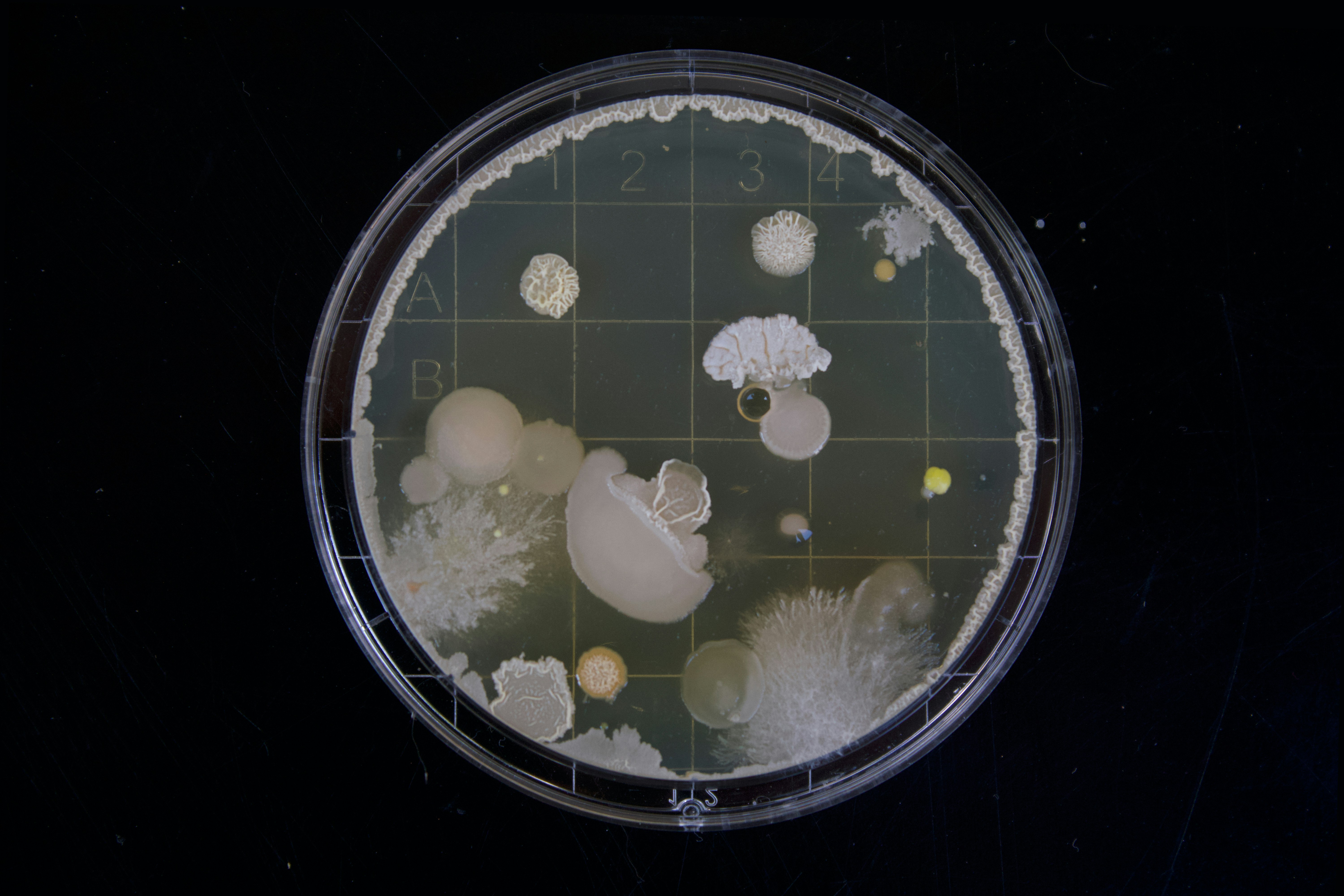
The gut microbiome is a vast community of trillions of microorganisms residing in our intestines. These microorganisms include bacteria, viruses, fungi, and other microbes. They play a pivotal role in various bodily functions.
Our gut microbiome influences digestion, immunity, and even mental health. When balanced, it acts as a protective shield against harmful pathogens. However, antibiotics can disrupt this balance.
Antibiotics are designed to kill or inhibit bacteria, including both harmful and beneficial ones. This broad action can lead to an imbalance known as dysbiosis. Dysbiosis can trigger digestive issues and weaken our immune defense.
- Functions of the microbiome:
- Aid in food digestion
- Production of essential nutrients
- Protection against harmful invaders
Knowing these functions highlights the significance of maintaining microbiome balance, especially during antibiotic treatment.
"
by Michael Schiffer (https://unsplash.com/@michael_schiffer_design)"
Beyond digestive disturbances, an imbalanced microbiome may increase the risk of infections. Understanding the relationship between antibiotics and gut health is crucial. This knowledge can guide us in taking proactive steps to support our microbiome during and after antibiotic therapy. By doing so, we can harness the full power of our gut for better overall health.
The Role of Probiotics with Antibiotics
Probiotics are live microorganisms known for their health benefits. When taken with antibiotics, they help protect our gut microbiome. Their primary role is to maintain balance.
Antibiotics can sometimes lead to gastrointestinal disturbances like diarrhea. Here, probiotics come to the rescue. Certain strains help reduce these side effects by replenishing the good bacteria killed by antibiotics.
Choosing the right probiotic strains matters. Lactobacillus and Bifidobacterium are among those proven to be effective. They are often resistant to antibiotics, ensuring they survive the digestive process.
"
by Ronit Shaked (https://unsplash.com/@ronit_sha)"
Timing is critical when using probiotics with antibiotics. Taking probiotics a few hours after antibiotics allows for maximum benefit. This helps ensure probiotics are not immediately destroyed by medication.
Integrating probiotics can extend beyond gut health. Some studies hint they might reduce risks of secondary infections. By doing so, they help in maintaining a robust and resilient microbiome during treatment. This synergy between probiotics and antibiotics underscores a holistic approach to health.
Best Practices: When to Take Probiotics with Antibiotics
Determining the right time to take probiotics with antibiotics can optimize their effects. An ideal starting point is to introduce probiotics during your antibiotic course.
To maximize benefits, it's crucial to separate probiotic intake from antibiotics. Experts recommend a time gap of about 2-3 hours. This spacing ensures that probiotics are not instantly killed.
If you miss timing due to a busy schedule, don't worry. Even adjusting slightly can still be beneficial. Consistency over perfection is key in managing your microbiome.
Consider these best practices for taking probiotics with antibiotics:
- Take probiotics 2-3 hours after antibiotics.
- Choose a probiotic strain compatible with your antibiotic.
- Continue probiotics for several weeks post-antibiotic course.
- Store probiotics as instructed to maintain their viability.
- Consult a healthcare provider for personalized advice.
Understanding and applying these strategies can make a significant difference. They help safeguard against potential antibiotic-induced gut imbalances.
By focusing on timing and strain selection, you empower your health. Making these small adjustments can lead to improved gut health outcomes and overall well-being. Educating yourself on these practices supports a proactive approach to your health journey.
Selecting the Right Probiotic Strains
Choosing the correct probiotic strain can make a huge difference. Each strain has unique properties and benefits. Therefore, it is essential to select ones tailored to your needs, especially during antibiotic use.
Common genera like Lactobacillus and Bifidobacterium are popular. These are often recommended due to their resilience and proven benefits alongside antibiotics. They can aid in counteracting antibiotic-associated side effects such as diarrhea.
While many probiotic products are available, not all will be effective. The strain's resistance to your specific antibiotic is crucial. Healthcare providers can guide you to strains that complement your antibiotic.
The right strain can safeguard your gut and promote recovery. It's about more than just taking any probiotic; it's about informed, targeted choices. This approach helps in maintaining balance and ensuring gut health resilience during treatments.
Duration of Probiotic Use After Antibiotics
Completing a course of antibiotics often necessitates continued probiotic use. This continuation aids in restoring the microbiome to its natural balance. Typically, a period of 1-2 weeks after antibiotics is recommended for ongoing probiotic supplementation.
The persistence of probiotics helps replenish beneficial bacteria that may have been depleted. It provides an essential support mechanism for the gut's recovery process. The duration can vary based on individual health needs and the specific antibiotic used.
For some, extending probiotic intake might be prudent. Those with recurring gut issues or a weakened immune system may benefit from a longer period. Consulting healthcare professionals can offer tailored advice, ensuring optimal gut health post-antibiotic treatment.
Probiotics and Antibiotics: Addressing Common Questions
Many people wonder if probiotics can be taken with antibiotics. The answer is yes, and doing so can benefit gut health. However, understanding the timing and strain is crucial.
Should you take probiotics at the same time as antibiotics? It's generally advised to wait 2-3 hours after taking antibiotics. This prevents the antibiotics from destroying the probiotics you consume.
You might ask how long after antibiotics you should continue probiotics. Typically, maintaining a regimen for 1-2 weeks is beneficial. However, individual needs may extend this timeline.
Many people are curious about probiotics for specific conditions, like urinary tract infections (UTIs). Yes, you can take probiotics with antibiotics for a UTI. They can help maintain healthy gut flora during treatment.
Common misconceptions about probiotics and antibiotics often arise. Here are key points to remember:
- Probiotics don't replace antibiotics.
- The timing of probiotic intake matters.
- Different probiotic strains serve different purposes.
By addressing these questions, you can make more informed health decisions. Understanding the nuances of probiotics can improve your overall well-being during antibiotic treatments.
The Future of Personalized Probiotics
The field of personalized probiotics is rapidly evolving. Advances in microbiome science are paving the way for tailored probiotic treatments. These personalized solutions promise to optimize health outcomes by considering individual microbiome compositions.
Emerging research suggests that customized probiotics can more effectively address specific health issues. By analyzing microbiome profiles, healthcare providers can recommend targeted probiotic strains. This personalized approach aims to improve efficacy and reduce undesired effects.
As technology advances, we may soon see probiotics integrated into personalized medicine strategies. Future developments could involve microbiome testing becoming a routine part of health assessments. This innovation promises a new era of healthcare, empowering individuals with precise, science-backed probiotic solutions.
Practical Tips for Incorporating Probiotics into Your Routine
Integrating probiotics into daily life can be seamless. Begin by selecting a form that fits your lifestyle—choices range from capsules to fermented foods like yogurt and kefir. This flexibility ensures consistency and maximizes benefits for gut health.
Timing is crucial for effectiveness. Aim to take probiotics a few hours after antibiotics to avoid immediate destruction of beneficial bacteria. This simple adjustment can enhance the probiotics' ability to replenish your microbiome effectively.
To support probiotic function, pair them with prebiotics. These non-digestible fibers serve as food for good bacteria, helping them thrive. Incorporating foods rich in prebiotics such as bananas, onions, and garlic can complement your probiotic intake.
Here's a quick guide to help ease probiotics into your routine:
- Choose a probiotic supplement or fermented food you enjoy.
- Take probiotics 2-3 hours after antibiotics for maximum efficacy.
- Pair probiotics with prebiotic-rich foods to enhance their function.
- Maintain consistent use to see long-term benefits on gut health.
Remember, consistency is key. Stay informed about the latest microbiome research and adapt your routine as needed. With these practical tips, you'll be on the path to maintaining a healthy, balanced microbiome.
The Impact of Diet on Probiotics and Antibiotics
Diet plays a crucial role in the effectiveness of probiotics and antibiotics. Consuming a balanced diet rich in fiber, vitamins, and minerals supports a diverse gut microbiota. This, in turn, enhances the effectiveness of probiotic supplements.
Certain foods can increase the efficacy of probiotics. Foods rich in prebiotics, such as leafy greens and whole grains, serve as fuel for probiotics. They help the beneficial bacteria thrive, leading to a more robust gut environment.
Conversely, diets high in processed foods and sugars can hinder probiotic performance. Such diets might promote the growth of harmful bacteria, counteracting the positive effects of probiotics. By choosing nutrient-dense foods, you can optimize the benefits of both probiotics and antibiotics, fostering overall gut health.
Probiotics Beyond Digestive Health: The Broader Benefits
Probiotics have gained recognition for their role beyond just promoting a healthy gut. Emerging research links probiotics to enhanced immune function. They may help reduce the frequency of infections by boosting the body's natural defenses.
Moreover, the connection between probiotics and mental health is an area of active exploration. The concept of the "gut-brain axis" suggests that a healthy gut can influence mood and cognitive function. Probiotics may help in managing stress and anxiety, offering a natural approach to mental well-being.
Additionally, probiotics could play a role in skin health. Some studies suggest that beneficial bacteria can help manage conditions like eczema and acne. By supporting a balanced microbiome, probiotics can contribute to overall skin health and appearance. These broader benefits highlight the versatility of probiotics in contributing to general health and wellness.
Conclusion: Empowering Your Health with Knowledge
Understanding the optimal use of probiotics with antibiotics empowers you to take charge of your health. By integrating this knowledge, you enhance your ability to manage the side effects of antibiotics effectively.
Making informed decisions about probiotics involves being proactive in your health journey. Stay updated with ongoing research and consult healthcare providers for personalized advice. This approach ensures you benefit fully from both probiotics and antibiotics, contributing to a healthier, well-balanced life.
References and Further Reading
For a deeper dive into the synergy between probiotics and antibiotics, explore reputable medical journals and microbiome studies. Websites such as PubMed, Mayo Clinic, and Harvard Health provide well-researched, detailed articles. Consult these resources to expand your understanding and keep abreast of the latest advancements in probiotic science.


